The Digital Horizon: How Modern Surveyors Are Mapping the Future
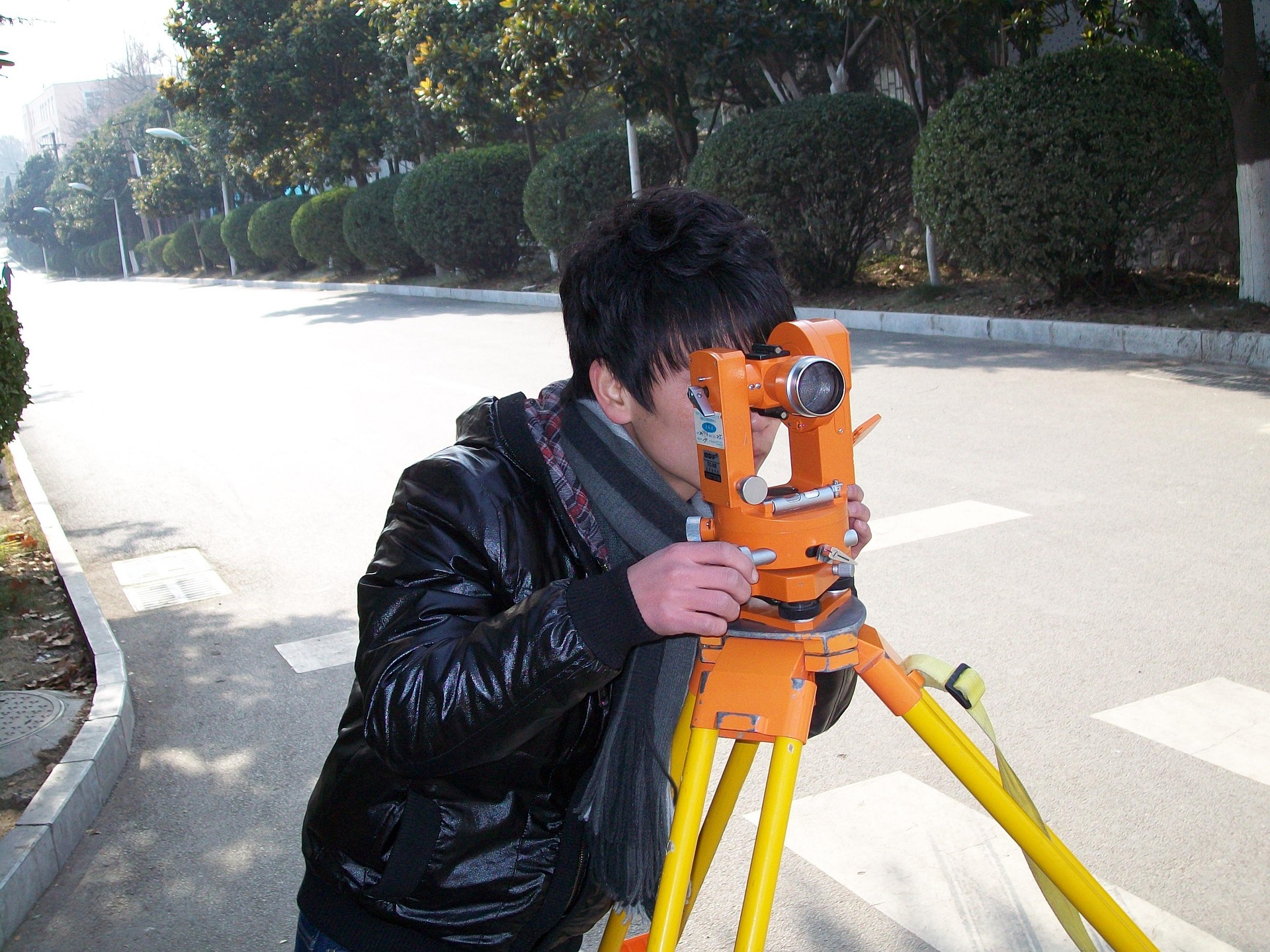
Surveying has been a cornerstone of construction and urban planning for centuries, but the profession has evolved dramatically in recent years. Today’s surveyors are no longer just using measuring tapes and theodolites—they’re embracing cutting-edge technology to capture highly detailed data, streamline projects, and shape the cities of tomorrow. From automated drones to advanced 3D modeling software, modern surveying is redefining the way we understand and interact with our built environment.
Digital Accuracy in Property Boundaries
Accurate land measurement has always been crucial, and modern technology has taken it to a whole new level. A title re-establishment survey demonstrates how digital surveying tools can precisely determine property boundaries, even in densely built urban areas. Surveyors now use GPS, total stations, and laser scanning to create digital maps that leave almost no room for error. This accuracy not only prevents legal disputes but also provides developers and homeowners with confidence in their property dimensions.
Drones and Aerial Surveying
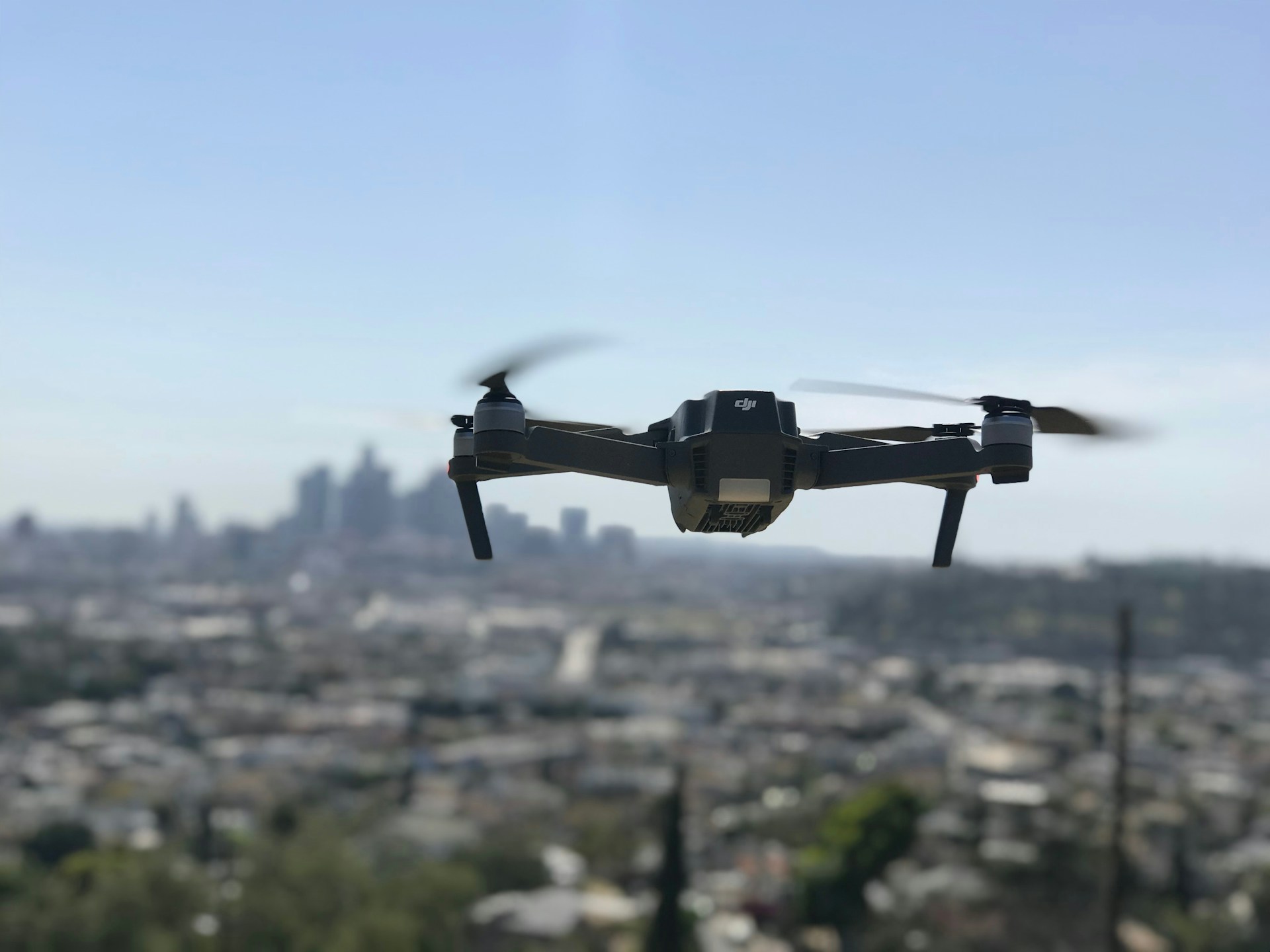
One of the biggest game-changers in modern surveying is the use of drones. These unmanned aerial vehicles can capture high-resolution images and topographic data in a fraction of the time it would take a traditional survey crew. Surveyors use this data to create detailed 3D maps, assess terrain challenges, and monitor construction progress. Beyond efficiency, drones also improve safety by reducing the need for surveyors to access difficult or hazardous locations.
3D Mapping and Modeling
Today, surveyors are creating virtual models of construction sites and entire city blocks. Using LiDAR, photogrammetry, and other digital tools, they generate highly accurate 3D representations of the terrain. Architects and engineers can then use these models to plan designs, simulate environmental impacts, and detect potential issues before they become costly problems. Essentially, modern surveying allows stakeholders to “walk through” a project before it’s even built.
Integrating Big Data for Smarter Cities
Modern surveying isn’t just about individual buildings—it’s about understanding and managing entire urban landscapes. Surveyors collect data that feeds into city planning, traffic management, and environmental monitoring. This integration of geospatial information, infrastructure data, and population trends helps planners make informed decisions about zoning, transportation networks, and public services. By mapping more than just land, surveyors are helping create smarter, more sustainable cities.
Enhancing Efficiency in Construction Projects
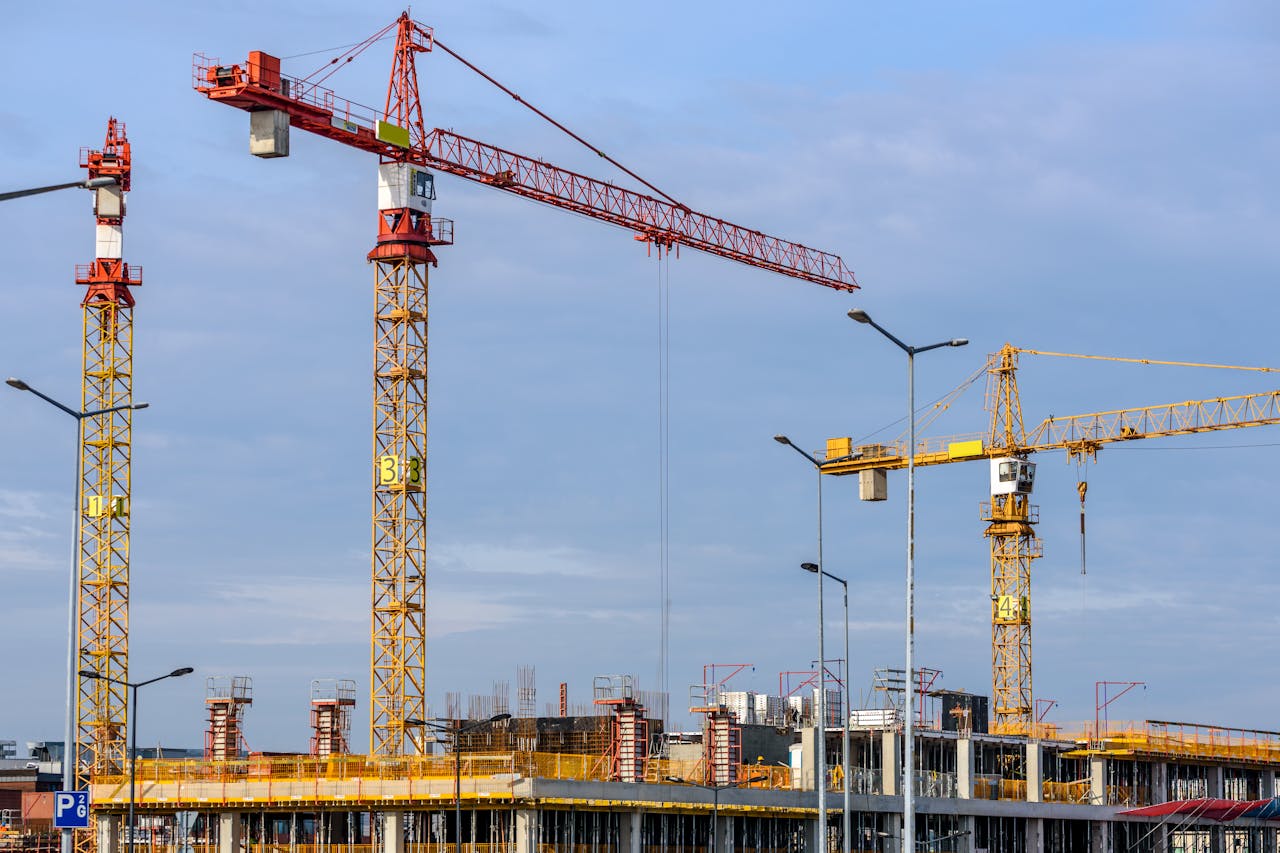
With digital tools, surveyors can deliver results faster and with greater precision, directly impacting project timelines and budgets. Automated data collection reduces human error, while cloud-based platforms allow teams to access and share survey information instantly. This seamless collaboration ensures that architects, engineers, and builders are always working with the most accurate and up-to-date information, minimizing delays and costly rework.
Modern surveyors are more than measurement experts—they are innovators, technologists, and vital partners in building the cities of the future. From drones and 3D mapping to integrated urban data, their work ensures accuracy, efficiency, and sustainability in every project. As technology continues to advance, the role of surveyors will only expand, proving that even in a digital age, human expertise remains at the heart of every successful build.