Choosing the Right Tunnel Oven for Commercial Cookie Baking
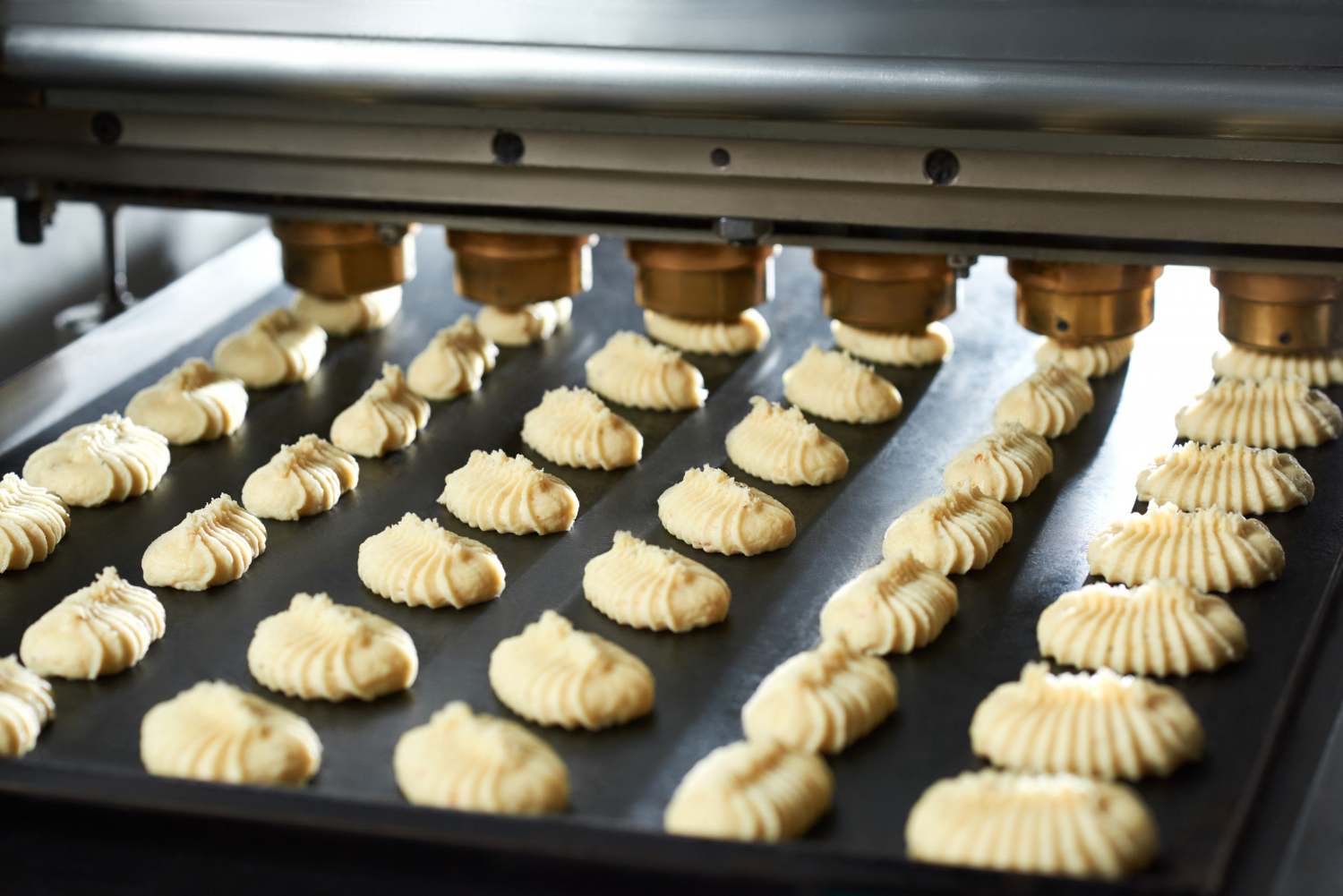
Commercial cookie production depends on equipment that delivers consistent baking results while supporting high production volumes. Among the most important pieces of Apex food processing and packaging machinery in a large-scale bakery is the tunnel oven. Unlike batch ovens that bake products in separate cycles, tunnel ovens move cookies continuously through controlled heating zones on a conveyor system. This continuous operation helps manufacturers produce large quantities while maintaining consistent quality. However, not every tunnel oven is suitable for every production line. Oven size, heating method, temperature control, production capacity, and energy efficiency all influence performance. Understanding how to choose the right tunnel oven for commercial cookie baking helps bakeries invest in equipment that supports both product quality and long-term operational efficiency.
Evaluating Production Requirements
Before selecting a tunnel oven, manufacturers should first evaluate their production goals. Every bakery has different output requirements depending on the products being made and customer demand. Small commercial bakeries may require moderate production capacity, while larger operations often need equipment capable of baking thousands of cookies every hour. Production forecasts also matter because equipment should support future growth rather than only current demand. Cookie dimensions, baking times, and recipe variations all influence the required conveyor speed and oven length. Careful planning allows businesses to select equipment that matches both present operations and anticipated expansion.

Managing Temperature Control
Temperature consistency is one of the most important functions of a commercial tunnel oven. Cookie quality depends heavily on maintaining stable baking conditions from the beginning of the conveyor to the final cooling stage. Modern tunnel ovens often divide the baking chamber into multiple temperature zones. Each section can be adjusted independently to support different stages of the baking process. Early zones may focus on dough expansion, while later sections complete moisture removal and color development. Accurate temperature monitoring allows operators to make adjustments when recipes change or production conditions vary. Reliable temperature control supports consistent baking results across every production batch.
Comparing Heating Systems
Tunnel ovens are available with several heating methods, each offering different advantages depending on production needs. Gas-fired tunnel ovens remain popular because they often provide efficient heating for high-volume production. Electric tunnel ovens may offer more precise temperature control in certain manufacturing environments. Some systems also combine different heating technologies to achieve specific baking characteristics. The selected heating method influences product color, texture, moisture removal, and overall baking consistency. Manufacturers should consider available utilities, operating costs, maintenance requirements, and local energy prices before making a final decision. Selecting the appropriate heating system contributes directly to product quality throughout continuous production.
Improving Energy Efficiency
Energy consumption represents a significant operating expense for commercial bakeries. Selecting an energy-efficient tunnel oven can reduce long-term production costs while supporting more sustainable manufacturing practices. Modern tunnel ovens often include improved insulation, optimized airflow systems, automated burner controls, and heat recovery technologies. These features reduce unnecessary energy loss while maintaining stable baking conditions. Although energy-efficient equipment may involve higher initial investment, reduced operating expenses often provide financial benefits over the equipment’s service life. Manufacturers should evaluate long-term operating costs rather than focusing only on purchase price. Energy efficiency benefits both production economics and environmental performance.
Considering Conveyor Design
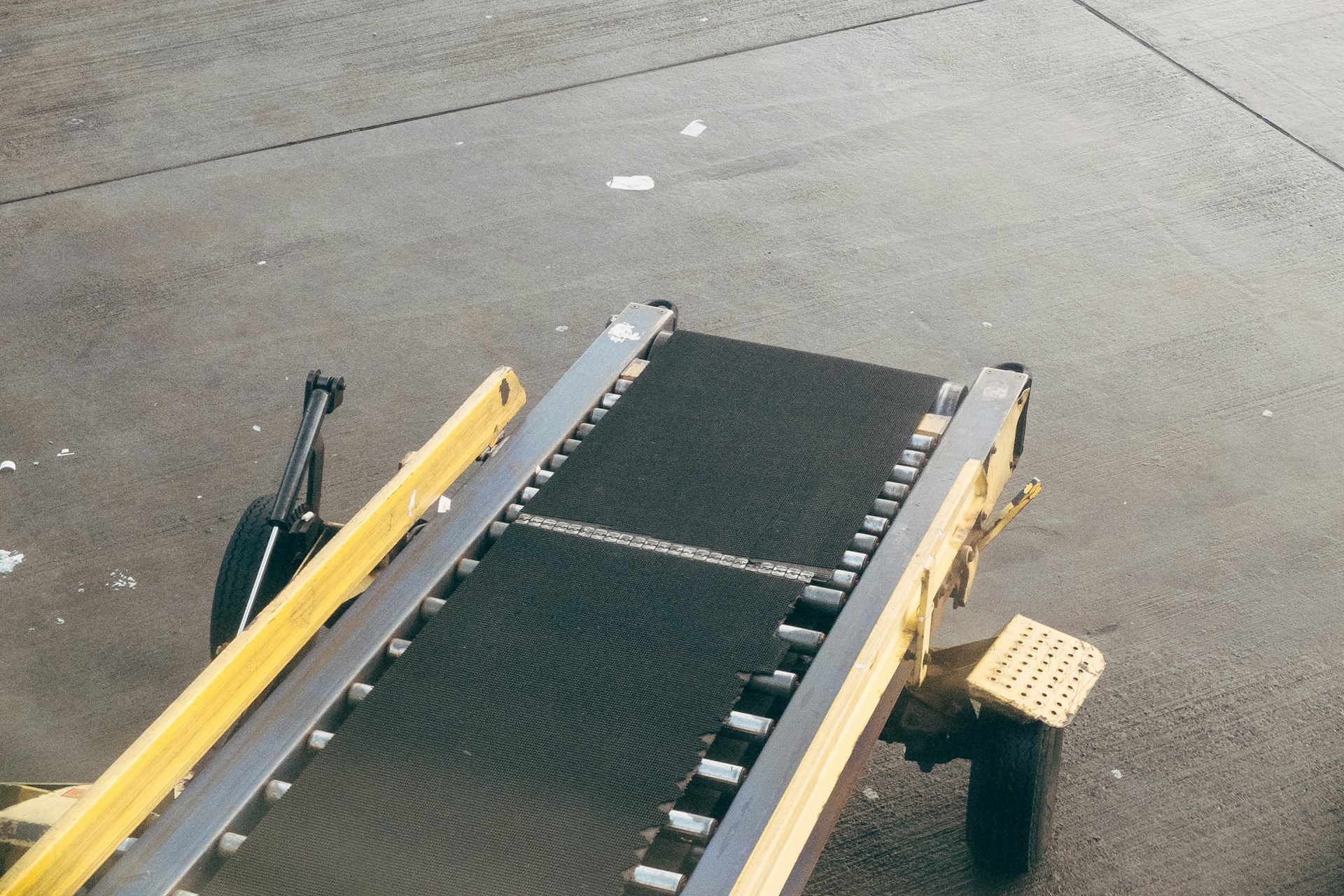
The conveyor system determines how cookie dough moves through the oven. Its design affects baking consistency, production speed, and product handling. Different conveyor materials suit different cookie varieties. Steel mesh belts provide strong airflow around products, while solid bands may better support certain dough formulations. Conveyor width and overall oven length should also match production capacity and available factory space. Smooth conveyor movement reduces product disturbance during baking. Consistent travel speed helps each cookie remain inside the oven for the intended baking time without unnecessary variation. Choosing the proper conveyor configuration improves both operational efficiency and finished product consistency.
Planning Maintenance and Support
Even high-quality tunnel ovens require routine maintenance to perform reliably throughout years of continuous operation. Preventive servicing reduces …